

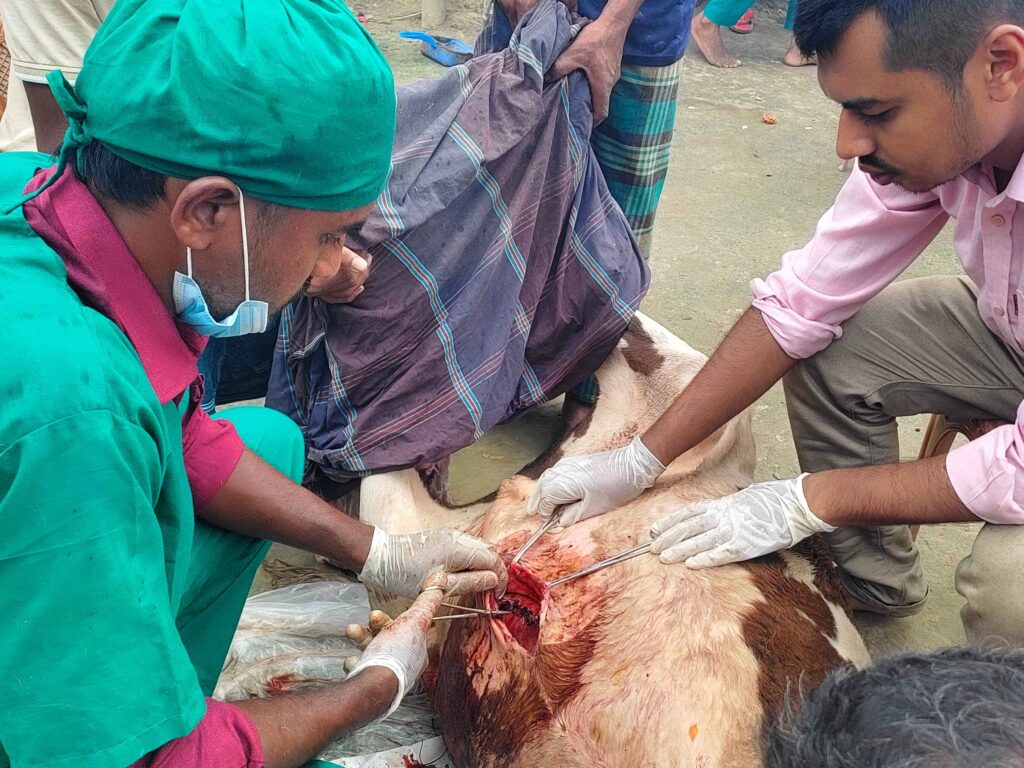
Animal Health Management: A Complete Guide for Sustainable Livestock Production
Animal Health Management: A Complete Guide for Sustainable Livestock Production Introduction Animal Health Management is a systematic approach to maintaining the physical well-being, productivity, and welfare of animals through proper healthcare, nutrition, hygiene, and disease control. In modern livestock and poultry farming, effective animal health management is essential for sustainable production, economic stability, and public health protection. What is Animal Health Management? Animal Health Management refers to the organized practices used to prevent diseases, promote growth, and ensure the overall health of animals. It includes vaccination programs, regular health monitoring, balanced nutrition, farm hygiene, and biosecurity measures. These practices help reduce disease outbreaks and improve farm efficiency. Importance of Animal Health Management 1. Disease Prevention and Control Preventive healthcare such as vaccination, deworming, and early diagnosis significantly reduces the risk of infectious and zoonotic diseases. 2. Improved Productivity Healthy animals grow faster, reproduce efficiently, and produce higher-quality milk, meat, and eggs. 3. Food Safety Assurance Proper health management ensures animal-derived foods are safe, hygienic, and suitable for human consumption. 4. Economic Benefits for Farmers Reduced mortality, lower treatment costs, and improved production directly increase farm profitability. Key Components of Animal Health Management Nutrition and Feeding Management Providing balanced and species-specific nutrition supports immunity, growth, and productivity. Farm Hygiene and Biosecurity Clean housing, controlled farm access, and proper waste management prevent disease transmission. Regular Health Monitoring Routine check-ups and record-keeping help identify health issues at an early stage. Vaccination and Preventive Care Timely vaccination and parasite control programs protect animals from major diseases. Role of Veterinarians in Animal Health Management Veterinarians play a central role by designing health plans, diagnosing diseases, advising farmers, and ensuring compliance with animal welfare and food safety standards. Career Opportunities Related to Animal Health Management Students and professionals can build careers as: Future Scope and Challenges With rising global demand for animal protein, climate change impacts, and emerging diseases, animal health management is becoming more technology-driven. Precision farming, digital health records, and disease surveillance systems are shaping the future of this field. Conclusion Animal Health Management is the foundation of sustainable livestock production, food safety, and public health. By adopting scientific health practices and professional veterinary support, farmers and industries can ensure long-term productivity and resilience. Suggested Categories Suggested Tags Animal Health Management, Livestock Health, Veterinary Care, Farm Biosecurity, Animal Nutrition, Disease Prevention, Sustainable Farming, Veterinary Careers