
Zoonotic Diseases and Public Health: The Role of Veterinary Science
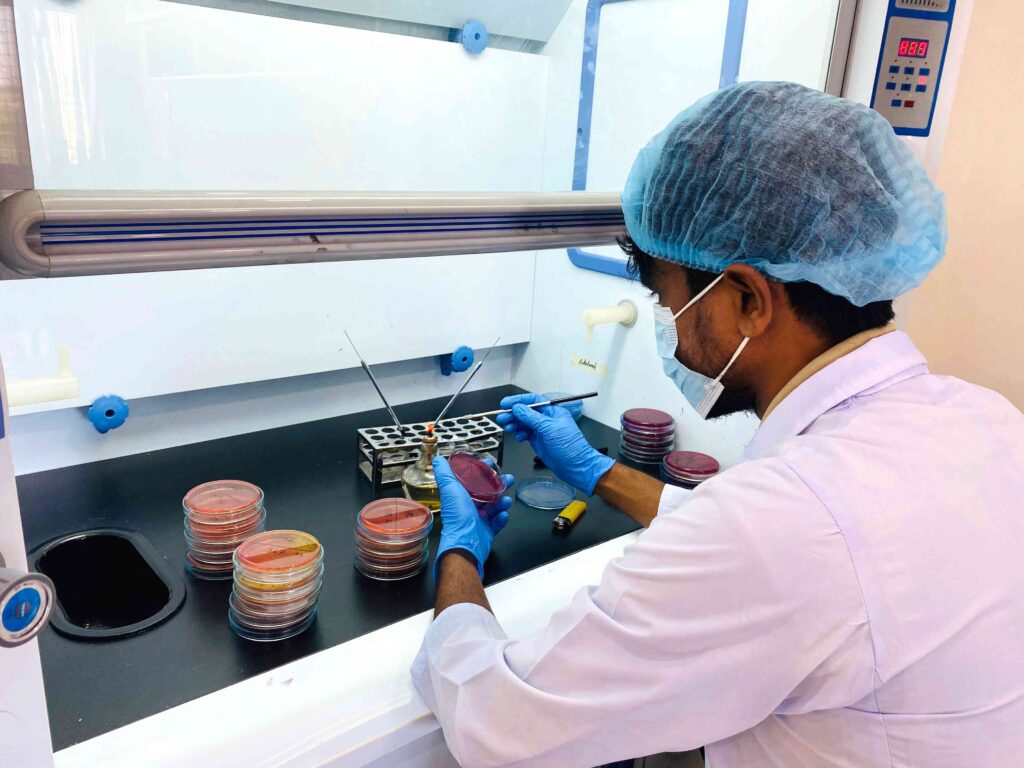
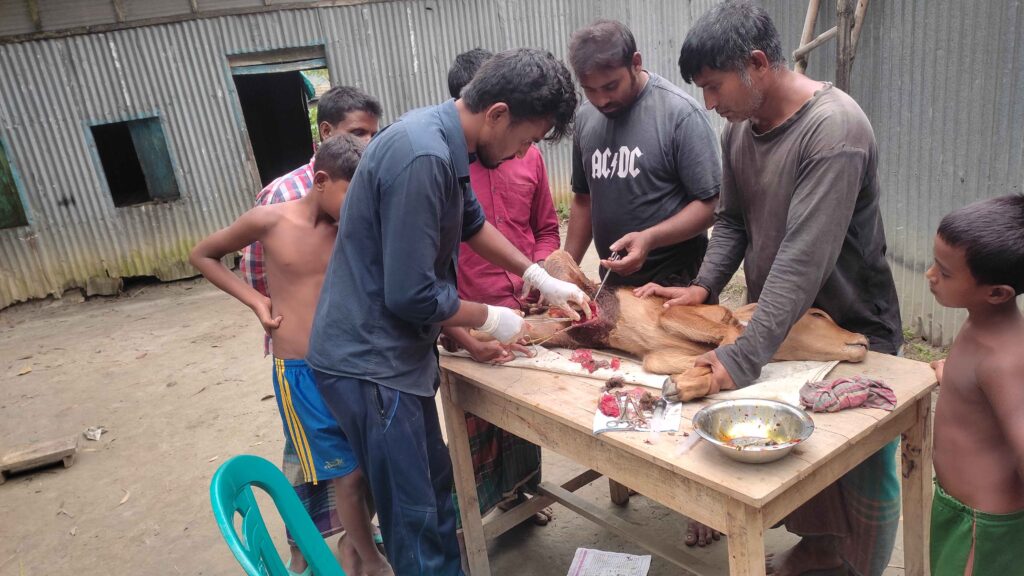
Zoonotic Diseases and Public Health: The Role of Veterinary Science Introduction Zoonotic diseases are infectious diseases that can be transmitted from animals to humans. These diseases pose serious threats to public health, food safety, and economic stability. Veterinary Science plays a critical role in preventing, controlling, and managing zoonotic diseases through surveillance, vaccination, and public awareness. What Are Zoonotic Diseases? Zoonotic diseases originate in animals and can spread to humans through direct contact, contaminated food, water, or vectors such as mosquitoes. Common examples include Rabies, Anthrax, Avian Influenza, Brucellosis, and Tuberculosis. Importance of Veterinary Science in Zoonotic Disease Control Disease Surveillance and Early Detection Veterinarians monitor animal populations to detect disease outbreaks early and prevent their spread to humans. Vaccination and Prevention Regular vaccination of animals significantly reduces the risk of zoonotic disease transmission. Food Safety and Inspection Veterinary inspection of meat, milk, and animal products ensures safe food for consumers. Public Awareness and Education Veterinary professionals educate farmers and communities about hygiene, biosecurity, and disease prevention. Impact on Public Health Effective control of zoonotic diseases reduces hospital burden, prevents epidemics, and protects vulnerable populations. Veterinary and human health sectors work together under the One Health approach. Conclusion Zoonotic diseases highlight the strong connection between animal health and human health. Strengthening veterinary services is essential for protecting public health and ensuring food safety.