

Author name: Mosharof

Survey for Characterizing the Veterinary Antibiotic Market in the Poultry Sector
Animal Health

Survey for Characterizing the Veterinary Antibiotic Market in the Poultry Sector

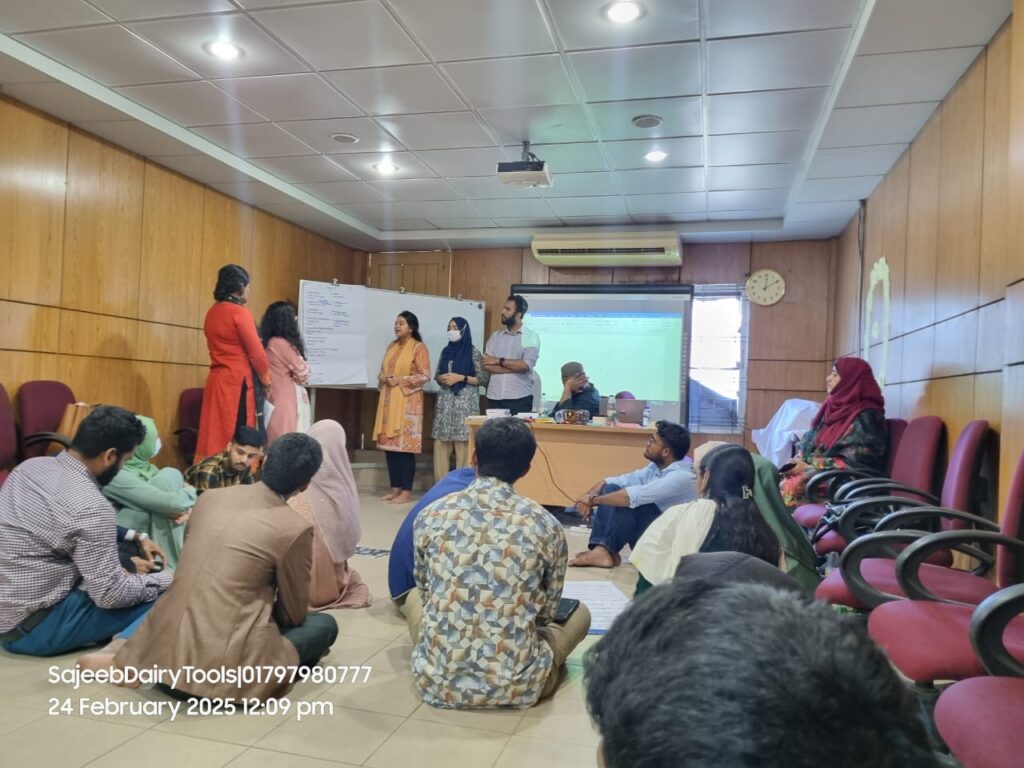
The “Survey for Characterizing the Veterinary Antibiotic Market in the Poultry Sector” was a valuable and well-organized training program funded and launched by the Food and Agriculture Organization (FAO) of the United Nations. The program was held on 11–12 March 2025 at the Chattogram Veterinary and Animal Sciences University (CVASU) campus, and it was hosted by the university in collaboration with FAO. A total of 20 veterinarians from across Bangladesh were selected to participate in this specialized training, making it a highly focused and impactful program aimed at strengthening the responsible use of antibiotics in the poultry sector. I was honored to be one of the selected participants, representing my region alongside professionals from different districts. My team member during the training was Oishi from Bangladesh Agricultural University (BAU), Mymensingh, and together we collaborated on different group activities and field discussions. The training lasted for two days, during which all participants stayed on the CVASU campus. The university provided comfortable accommodation, a collaborative learning environment, and opportunities to interact with experts and fellow veterinarians. Our main trainer was Professor Dr. Redwan Pasha, a respected academic from CVASU known for his expertise in veterinary public health and antimicrobial resistance. Along with him, several trainers and specialists from FAO conducted sessions, delivered lectures, and guided practical exercises. Their insights on global and national antibiotic usage, regulatory frameworks, surveillance systems, and market dynamics were extremely valuable. Their teaching approach was interactive, clear, and supported by real case studies, making the sessions easy to follow and deeply meaningful. Throughout the training, we explored how antibiotics are used across the poultry industry—from hatcheries and broiler farms to feed mills and drug sellers. We learned about the commonly used antibiotic groups, patterns of purchase and distribution, and the challenges farmers face in managing disease without overusing drugs. A major focus was the growing global concern regarding antimicrobial resistance (AMR) and the importance of responsible antibiotic usage to protect both animal and human health. The program also highlighted practical field-level skills. We were trained on how to conduct structured surveys, identify gaps in antibiotic knowledge, evaluate drug-selling practices, and monitor supply chains. Hands-on exercises taught us how to collect high-quality field data that truly represent the real market situation. We also performed mock interviews, group surveys, and problem-solving sessions that strengthened our communication and field research skills. Staying at CVASU for two days allowed us to experience the university’s academic environment, interact with teachers and students, and visit some of its modern facilities. The campus atmosphere was refreshing, and the interaction among participants created a feeling of teamwork and shared purpose. We also enjoyed the hospitality, good food, and the energetic learning environment throughout the training. Overall, the FAO-funded program was not only informative but also inspiring. It broadened my understanding of antibiotic usage patterns in the poultry industry and strengthened my commitment to promoting safe, evidence-based veterinary practices. Meeting veterinarians from different regions, sharing field experiences, and learning from senior experts made the experience memorable and highly beneficial for my professional journey. The knowledge gained from this training will help me contribute more effectively to responsible antibiotic use, improved poultry health management, and the national effort to combat antimicrobial resistance in Bangladesh.
Animal Health

My Internship Experience at Assam Agricultural University, India

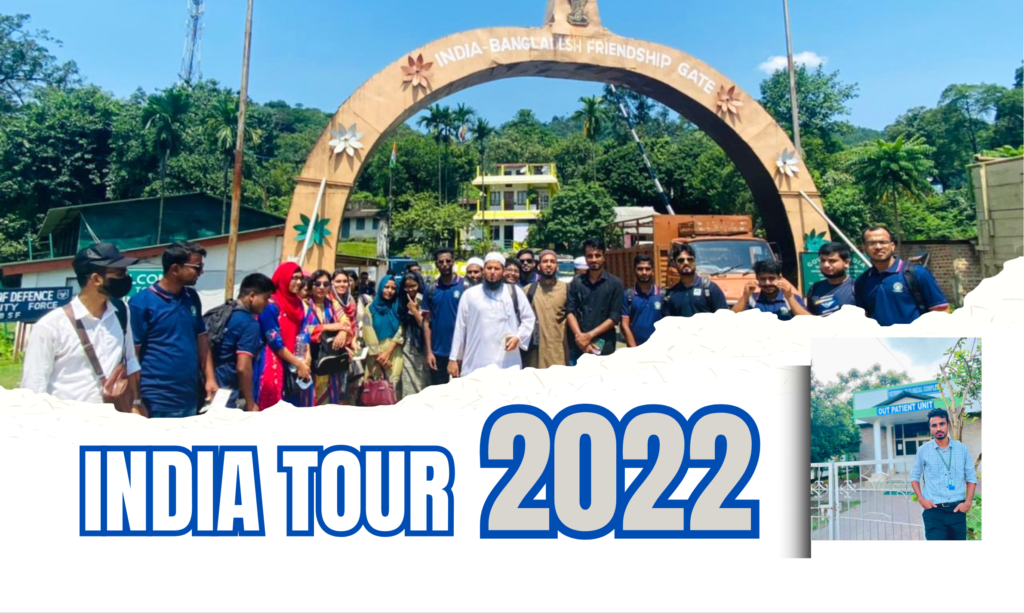
My India Internship Tour was one of the most enriching and memorable experiences of my academic life. It not only expanded my clinical knowledge but also exposed me to modern veterinary practices beyond my home country. The internship took place at Assam Agricultural University (AAU), Guwahati, Assam, a leading institution for veterinary and agricultural sciences in India. Our journey began on 20 September 2022 from Sylhet Agricultural University, filled with excitement and curiosity. We crossed the international border through the Tamabil Land Port, completing all formalities smoothly. From there, we travelled for about six hours by private car, enjoying the breathtaking landscapes of Meghalaya and Assam. The beautiful hills, green valleys, waterfalls, and peaceful environment made this journey unforgettable. We reached the university with a feeling of joy and anticipation for the learning ahead. A team of 20 students and one faculty member participated in this internship program. We stayed in the University Guest House from 20 to 30 September, where we received healthy meals and warm hospitality. The calm surroundings and green campus created a perfect atmosphere for study, reflection, and relaxation. During the internship, we had the opportunity to observe and learn from highly experienced veterinarians and professors. One of the major highlights was the chance to witness advanced large and small animal surgeries. These sessions helped us understand surgical techniques, anesthesia management, pre-operative preparation, and post-operative care—allowing us to connect classroom learning with real clinical practice. We also engaged in diagnostic training, which included hands-on experience with ultrasonography, X-ray imaging, and ECG. This exposure strengthened our practical understanding of common diagnostic tools used in modern veterinary medicine. Learning to interpret images and reports enhanced both our confidence and clinical reasoning. In addition, we took part in daily treatment sessions for large and small animals, where we observed case discussions, diagnosis, treatment protocols, and follow-up care. Interacting with the clinical team helped us understand how veterinarians make real-time decisions based on symptoms, lab reports, and patient response. The internship also included educational farm visits to nearby livestock operations. These visits allowed us to learn about farm management, feeding systems, reproductive care, disease prevention, and biosecurity measures. Talking with local farmers helped us understand their challenges and the vital role of veterinarians in supporting rural livelihoods. Another meaningful part of the tour was participating in community veterinary service activities. Treating animals for local farmers and seeing their appreciation reminded us of the responsibility and social impact of veterinary medicine. Overall, my internship at Assam Agricultural University was a transformative experience. The combination of practical training, diagnostic exposure, surgical observation, and cultural exploration made this tour truly unforgettable. Those ten days shaped my professional vision, strengthened my technical skills, and deepened my commitment to serving animals and communities with compassion and expertise.

Veterinary Careers

Inside the CEVET Conference: A Hub for Veterinary Knowledge & Innovation

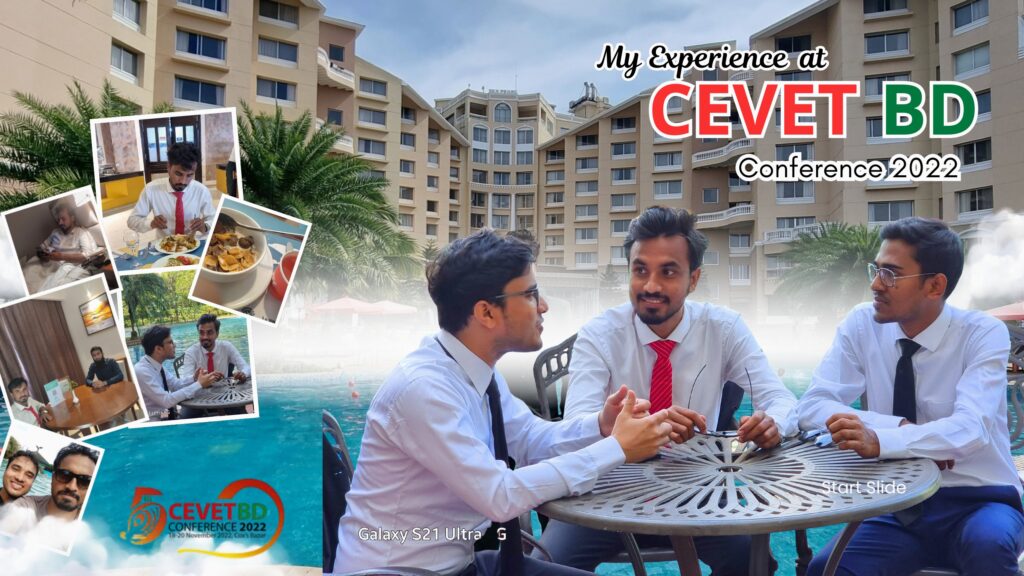
The Continuing Education in Veterinary Conference (CEVET) is an annual professional development program designed to enhance the knowledge and skills of veterinarians across Bangladesh. Organized collaboratively by the Directorate of Livestock Services (DLS), the Bangladesh Veterinary Council (BVC), the Bangladesh Veterinary Association (BVA), and several partner organizations, CEVET serves as a vital platform for continuous learning in the veterinary sector. Every year, the program brings together veterinarians, students, researchers, and industry specialists to participate in expert-led lectures, workshops, and seminars. Key topics include dairy herd management, poultry health, companion animal care, zoonotic diseases, and emerging technologies in veterinary practice. Through these sessions, participants gain updated insights into disease control, diagnostic advancements, and modern treatment approaches. When did CEVET usually take place? In 2022, the CEVET program was held, and fortunately, I had the opportunity to participate in it. I am grateful to my friend Dr. Saraf Hasan because he chose me to go in his place, as he could not attend due to personal problems. At that time, I was on the university campus. From our 22nd batch, around 12–15 students had registered. I also bought my train ticket along with them. On the scheduled day, we traveled by train at night and reached Chattogram. From there, we took a bus to Cox’s Bazar. After arriving, a microbus received us and took us to Hotel Royal Tulip. We reached the hotel around 11 a.m. After standing in a long line at the reception, we signed in, collected our kits, and received the keys to our allotted rooms. Then we went to our rooms, got freshened up, and went to the dining area for breakfast. During registration, we were given a token, which we used to enter the dining area. Each token allowed only one entry, but once inside, we could eat whatever we wanted. The breakfast in the morning had at least 100 different food items.I, Nahid, and Masfiq— the three of us—always entered together, ate our preferred food, and then went to participate in the seminars. According to the schedule, different seminars were taking place simultaneously in separate halls. We attended all the morning sessions on the first day During the long lunch break, we all went to the swimming pool to freshen up. After returning to our room, we got ready for lunch and went to the dining area, where we enjoyed food of our choice.

© 2025 Dr. Md. Mosharof Hosen. All rights reserved.

Scroll to Top